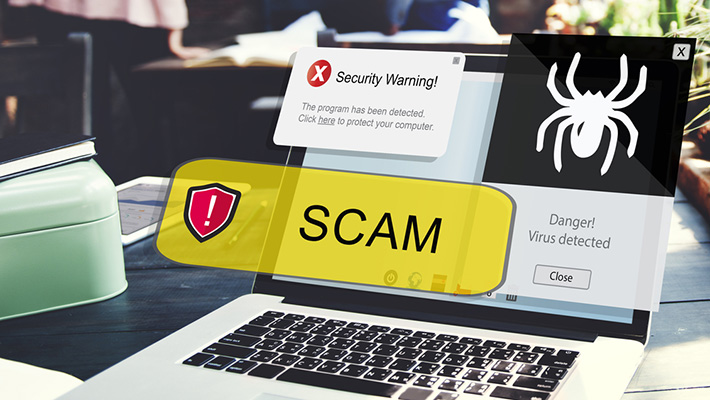
The Onslaught of Dishonest Web Designers Is Harming the Industry: Why Asking for References Is Essential
The web design industry has grown exponentially in the last decade, providing businesses with the opportunity to create stunning online presences. However, with this growth has come an increasing wave of dishonest web designers and agencies that take advantage of unsuspecting clients. Whether it’s low-quality work, false advertising, or outright scams, these unethical practices damage the industry and leave business owners frustrated and out of pocket.
If you’re a business owner looking for a reliable web designer, it’s essential to do your due diligence. Asking for references, checking past work, and spotting strange review patterns are key steps in avoiding being duped. Here’s why.
The Rise of Dishonest Web Designers
With platforms like Google, Instagram (social media), Fiverr, Upwork, and social media making it easier than ever to advertise services, many self-proclaimed web designers have entered the market with little to no experience. Some charge premium prices while delivering subpar work, and others outright ghost clients after receiving payment. These bad actors make it harder for legitimate, skilled designers to gain trust while leaving business owners wary of the industry.
Common Tactics of Dishonest Web Designers
-
Over-promising and Under-delivering – They claim to build “custom” websites but use cheap, pre-made templates.
-
Fake Portfolios – Some showcase work that isn’t their own or heavily manipulate images to seem more experienced than they are.
-
Unrealistic Pricing – If a deal seems too good to be true, it likely is. Dirt-cheap web design services often result in websites full of issues.
-
Lack of Transparency – A dishonest designer might avoid explaining their process, refuse to provide contracts, or dodge questions about their work experience.
- Fake Reviews – Include AI-generated reviews and reviews from the owner’s friends or individuals from a home country that does not reflect the local demographic.
-
Fake Social Media: Many businesses and individuals purchase fake followers and likes to appear more popular, but a lack of genuine engagement—such as comments or shares—on their posts often reveals these followers are inauthentic. This creates a false perception of credibility and misleads potential clients.
- Google: Despite efforts to curb fraud, fake reviews and business listings still persist on Google. Many companies use paid reviews or automated bots to artificially inflate their ratings, which can mislead business owners into selecting unreliable service providers, undermining trust in legitimate professionals.
Why Asking for References and Past Work Is Critical
When hiring a web designer, always request references and past work. This simple step can help you avoid many unreliable professionals. A trustworthy designer should provide:
-
A portfolio of live websites they’ve designed.
-
Client testimonials or contact information for past clients.
-
A clear outline of their design and development process.
- Ensure their references align with their reviews (e.g., Review A should have a corresponding Reference A).
If a designer hesitates to provide these or struggles with clear communication, consider it a major red flag. A common complaint is that many dishonest web designers lack proficiency in the grammar local language and specialization.
The Warning Signs of Fake Reviews
Fake reviews are another tool dishonest designers use to appear more reputable than they are. If you notice any of the following patterns in a web designer’s reviews, proceed with caution:
-
All 5-star reviews with generic wording – If every review sounds oddly similar and lacks specifics about the designer’s work, they might be fake.
- All from the same country of origin – The owner’s friends or individuals from a home country that does not reflect the local demographic, and no references that can be co-related to these reviews.
-
A flood of recent reviews in a short period – This could indicate that the designer paid for fake feedback or used bots.
-
Lack of local business owners leaving reviews – If a designer claims to work with small businesses but has no reviews from actual business owners, it’s suspicious.
-
No negative reviews at all – Even the best web designers occasionally receive constructive criticism. A profile that’s 100% glowing might be manipulated.
Protecting Yourself from Web Design Scams
To ensure you hire a trustworthy web designer, follow these key steps:
-
Request References – This will help avoid all issues entirely, don’t rush into anything!
-
Check live websites – Not just screenshots—ask for working, active sites related to their reviews.
-
Verify references – Speak to past clients directly to get honest feedback.
-
Look for consistency – A real designer will have a professional online presence, not just a Facebook page with random reviews.
- If they promise #1 on Google — This is a red flag and should be avoided.
Final Thoughts
The increasing presence of dishonest web designers is negatively impacting both business owners and legitimate professionals in the industry. However, by staying informed, asking the right questions, and recognizing potential red flags, you can protect yourself from falling prey to a scam.
Over the past 3-4 years, many clients have approached us with concerns about web design companies in Ontario. These companies, often based in South Asia, operate under fake business listings and lack a real local presence. They flood review platforms with dozens of fake reviews, often from users in South Asia rather than from the local area, falsely presenting themselves as established local businesses. This is a growing issue, as Google has been slow to prevent such fraud, but efforts are underway to address it.
A reputable web designer will always be transparent, have a verifiable track record, and focus on delivering genuine results for your business. Taking the time to research and carefully vet your options can help you avoid costly mistakes and ensure that you partner with someone who truly supports your online success.
At Smola Designs, we take pride in our honesty and integrity. We encourage business owners to be cautious and well-informed when choosing a web designer, as making the wrong decision can be one of the most expensive mistakes for your business. In fact, one of the primary reasons we founded Smola Designs was to protect our local business community from these deceptive practices.


Related items

We are proud to announce the launch of the newly redesigned Smola Designs website at www.s